Glycan-Driven Therapies: Examining the Potential of Glycan Biology in Advanced Medical Treatment

Introduction

Glycan-based totally therapeutics are gaining traction as a modern process in fashionable medication, with glycoscience emerging as a pivotal subject. This article delves into the diversified dimensions of glycosylation, glycoproteomics, and carbohydrate-protein interactions, highlighting their importance in healing functions. With advancements in science which includes glycan mapping and glycoengineering, we are witnessing unheard of alternatives for drug building and ailment cure methods.

Glycan-Based Therapeutics: Exploring the Potential of Glycoscience in Modern Medicine

The complicated global of glycans—sugars that model structures on proteins and lipids—plays a principal position in biological processes. Glycans are interested in cellular signaling, immune responses, and sickness pathogenesis. Understanding glycosylation pathways and arising glycan profiling concepts have opened new avenues for healing interventions.

What is Glycosylation?

Glycosylation refers to the enzymatic job the place carbohydrates connect Visit this website to proteins or lipids. This amendment is imperative for correct protein folding, steadiness, and serve as. Key players during this technique include glycosyltransferases, which catalyze the move of sugar moieties onto acceptor molecules.

Types of Glycosylation

  • N-related Glycosylation: Occurs when a glycans connect to nitrogen atoms in asparagine residues.
  • O-associated Glycosylation: Involves the attachment of sugars to hydroxyl corporations of serine or threonine.
  • C-linked Glycosylation: Less user-friendly; involves sugars attaching straight to carbon atoms.
  • Each classification has one-of-a-kind biological applications and implications for therapeutic efficacy.

    Glycoproteomics: A Comprehensive Overview

    Glycoproteomics combines proteomics with glycomics to observe glycoproteins—proteins converted by means of carbohydrate communities. This discipline is fundamental for knowing how these transformations effect cell functions and ailment mechanisms.

    Methods in Glycoproteomics

    • Mass Spectrometry for Glycans: Analyzes glycan structures with prime precision.
    • Glycan Arrays: Facilitate the exploration of carbohydrate-protein interactions.
    • Enzyme-Linked Immunosorbent Assay (ELISA): Utilized for quantifying specific glycoproteins.

    Carbohydrate-Protein Interactions

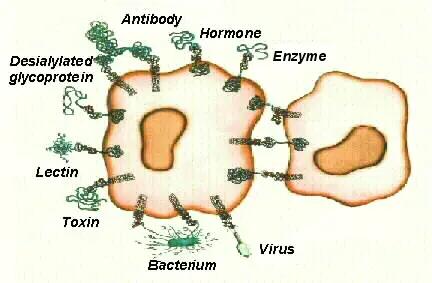
    Understanding carbohydrate-protein interactions is considered necessary for elucidating organic pathways and creating therapeutics. Lectins—proteins that bind specified carbohydrates—function ideal types for studying those interactions.

    Role of Lectins

    Lectins play vast roles in mobilephone cognizance and signaling strategies. Their skill to name definite glycans makes them valuable methods in analysis and expertise therapeutic packages.

    The Importance of Glycomics

    Glycomics specializes in the entire study of glycans within organic tactics. It encompasses a variety of tactics aimed at characterizing challenging carbohydrates worried in cell conversation.

    Applications of Glycomics

    • Identifying biomarkers for ailments.
    • Understanding immune responses.
    • Developing vaccines depending on glycoform diagnosis.

    Glycan Mapping Techniques

    Mapping glycans lets in researchers to imagine their distribution on proteins or cells, offering insights into their practical roles.

    Techniques Used in Glycan Mapping

  • Microfluidic Devices: Enable top-throughput diagnosis.
  • Mass Spectrometry: Offers particular structural information.
  • Fluorescent Labeling: Facilitates visualization underneath a microscope.
  • Advancements in Glycoengineering

    Glycoengineering contains enhancing glycan constructions to amplify healing efficacy or diminish immunogenicity. This strategy is fairly primary for monoclonal antibodies utilized in unique remedies.

    Strategies for Glycoengineering

    • Altering sugar composition.
    • Modulating branching patterns.
    • Controlling website-actual changes.

    Monoclonal Antibodies and Their Relationship with Glycans

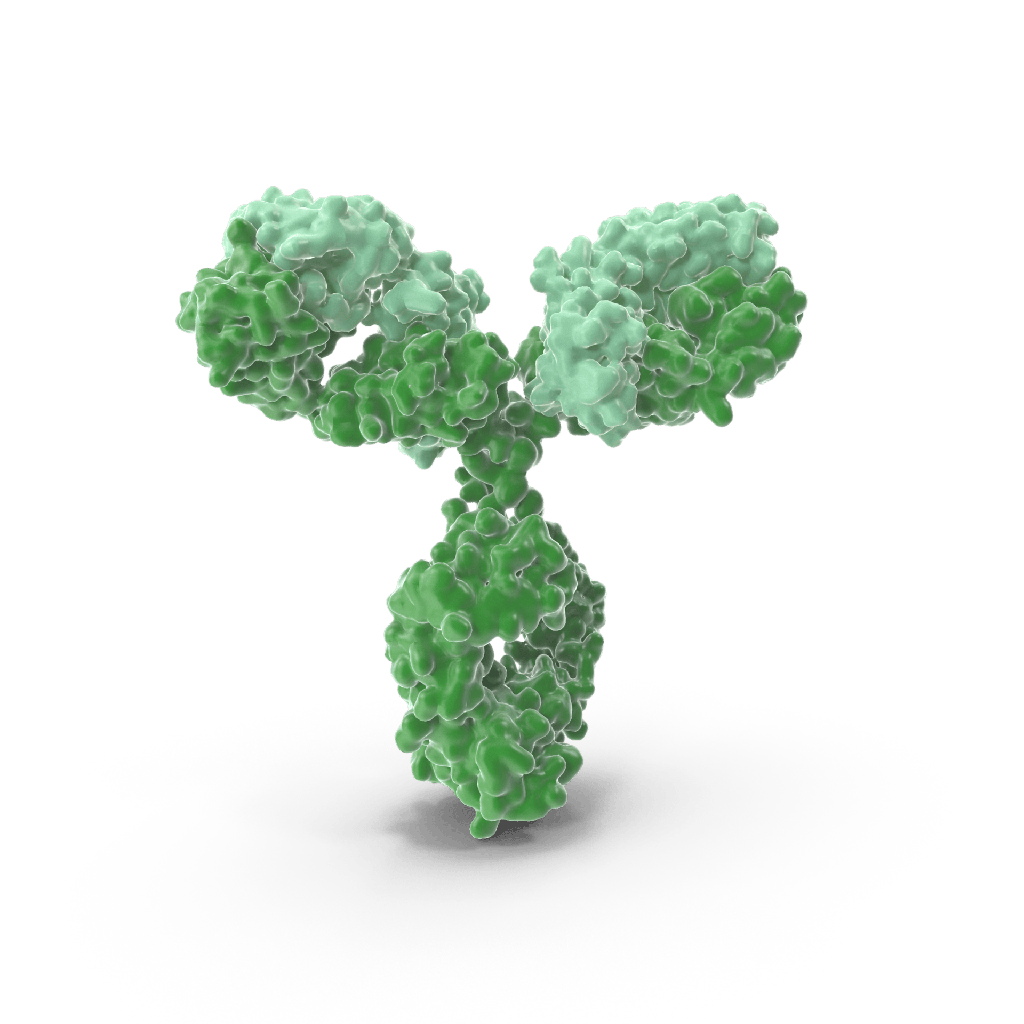
    Monoclonal antibodies (mAbs) are engineered proteins used greatly in medication, diagnostics, and lookup. Their effectiveness in general correlates with their glycosylation profiles.

    Impact of Glycosylation on mAb Functionality

    Different glycoforms can impact mAb balance, efficacy, and safety profile, making it predominant to optimize their glycosylation in the course of construction procedures.

    Therapeutic Applications of Glycan-Based Therapeutics

    The doable functions of glycan-dependent therapeutics span a considerable number of medical fields inclusive of oncology, infectious illnesses, and autoimmune disorders.

    Examples of Successful Applications

  • Cancer Immunotherapy: Leveraging glycolipids as adjuvants enhances immune response towards tumors.
  • Vaccine Development: Utilizing glycobiology-elegant vaccines pursuits pathogens effortlessly by using tailored immune responses.
  • Chronic Disease Management: Modifying glycoprotein structures can cause customized solutions convalescing sufferer outcome.
  • Challenges in Developing Glycan-Based Therapies

    Despite promising advancements, quite a few demanding situations remain:

  • Complexity of glycans main to variability between people.
  • Difficulty standardizing production tips across diversified systems.
  • Regulatory hurdles surrounding novel healing entities regarding biomolecules.
  • FAQs

    1. What are glycans?

    Glycans are difficult carbohydrates that consist of sugar molecules linked collectively; they play relevant roles in organic processes like cellular telephone signaling and immune reaction modulation.

    2. How does glycosylation impact protein position?

    Glycosylation impacts protein folding, stability, process ranges, and interactions with other molecules; accordingly influencing normal cellular conduct and goal particularly.

    three. What strategies are used for glycan profiling?

    Common ideas contain mass spectrometry for targeted structural prognosis, enzyme-connected immunosorbent assays (ELISA) for quantification, and microarrays to evaluate binding affinities between carbohydrates and proteins.

    4. What is the importance of monoclonal antibodies in treatment?

    Monoclonal antibodies are engineered proteins designed to goal targeted antigens; they have got established helpful across many different therapeutic regions due to their specificity and ability to initiate immune responses in opposition t precise cells or pathogens.
    5. What function do lectins play within the context of glycobiology?

    Lectins are proteins that chiefly bind carbohydrates; they facilitate numerous organic procedures which include phone-cell phone attractiveness occasions primary for immune responses or tissue pattern mechanisms.

    6. How does bioconjugation relate to glycol-depending therapeutics?

    Bioconjugation includes chemically linking biomolecules like medicine or imaging dealers to glycans or proteins; this job complements pharmacokinetics even as convalescing concentrating on competencies within healing contexts regarding glycoconjugates or different challenging biologically active entities.

    Conclusion

    In summary, “Glycan-Based Therapeutics: Exploring the Potential of Glycoscience in Modern Medicine” encapsulates an enjoyable frontier wealthy with probabilities stemming from our awareness of glycobiology’s complexities—from fundamental principles governing protein variations via progressed engineering methodologies paving pathways in the direction of imaginative treatments that cater chiefly towards character patient necessities whilst addressing challenges related therein without difficulty moving ahead into next-generation treatments reshaping healthcare landscapes globally!
    Uncategorized

    Exploring Glycan-Protein Interaction Repositories: Revolutionizing Therapeutic Discovery and Breakthroughs

    Introduction

    The world of glycoscience is tricky, encompassing the analyze of carbohydrates and their interactions with proteins. Navigating Carbohydrate-Protein Interaction Databases: Transforming Therapeutic Discovery and Innovation is fundamental for researchers aiming to unlock the knowledge of glycan-structured therapeutics. Understanding carbohydrate-protein interactions (CPI) can bring about groundbreaking advancements in healing suggestions, incredibly in designing monoclonal antibodies or glycoprotein therapeutics.

    In this article, we shall explore diversified points of carbohydrate-protein interactions, emphasizing databases that facilitate research and innovation within this container. We will delve into glycosylation approaches, glycan profiling, and the results of those interactions in developing bioconjugates for therapeutic purposes.

    Understanding Carbohydrate-Protein Interactions

    What Are Carbohydrate-Protein Interactions?

    Carbohydrate-protein interactions are imperative biochemical methods related to the binding among carbohydrates (glycans) and proteins. These interactions play a pivotal position in a number organic services such as telephone signaling, immune reaction, and pathogen cognizance.

    The Importance of Glycosylation

    Glycosylation refers to the covalent attachment of glycans to proteins or lipids. This publish-translational modification (PTM) extensively affects protein shape, steadiness, and function. The range in glycan platforms leads to assorted functionalities which can be very important for protein activity.

    Types of Glycosylation

  • N-Linked Glycosylation: Occurs at asparagine residues within a protein.
  • O-Linked Glycosylation: Involves serine or threonine residues.
  • C-Glycosylation: Rarely said, entails carbon bonds with the sugar moiety.
  • Glycoproteomics: A Key Player in Research

    What Is Glycoproteomics?

    Glycoproteomics is a sub-discipline that makes a speciality of the look at of glycoproteins—proteins which have carbohydrates connected to them. By analyzing glycoproteins, researchers can discover insights into their services and roles in sickness mechanisms.

    Tools Used in Glycoproteomic Studies

  • Mass Spectrometry for Glycans: Provides particular advice with regards to the mass-to-payment ratio of ions.
  • Glycan Microarrays: Enables high-throughput research of carbohydrate-binding proteins.
  • Enzyme-Linked Immunosorbent Assay (ELISA): Useful for quantifying exact glycoproteins.
  • The Landscape of Carbohydrate-Protein Interaction Databases

    Overview of Available Databases

    Several databases exist specializing in documenting carbohydrate-protein interaction facts:

  • CARB-DB: Focuses on carbohydrate systems and their interacting companions.
  • GlycoBase: An giant repository for glycan mass spectrometry statistics.
  • UniProt: While particularly a protein database, it also includes impressive carbohydrate-comparable annotations.
  • How To Navigate These Databases

    To simply utilize carbohydrate-protein interplay databases:

  • Identify crucial keyword phrases involving your study.
  • Use filters to slender down effects stylish on organism classification or interplay form.
  • Take benefit of visualization instruments presented via those databases.
  • Transforming Therapeutic Discovery by Database Utilization

    Implications for Drug Development

    The insights won from carbohydrate-protein interplay databases can translate into modern therapeutic innovations. For example, information how glycans have interaction with receptors can instruction the layout of distinctive healing procedures.

    Case Studies on Successful Implementations

  • Monoclonal Antibodies: Investigating how genuine glycans strengthen efficacy.
  • Glycan-Based Therapeutics: Developing therapies that leverage detailed glycomic signatures in sicknesses like melanoma.
  • Carbohydrate Antigens and Their Role in Immunology

    What Are Carbohydrate Antigens?

    Carbohydrate antigens are molecules found out on telephone surfaces which can elicit an immune response when recognized via antibodies or lectins.

    Applications in Vaccine Development

    Glycobiology-stylish vaccines make the most of carbohydrate antigens to stimulate immunity in opposition t pathogens whilst minimizing hostile reactions associated with usual vaccine materials.

    Bioconjugation Techniques for Therapeutic Applications

    Defining Bioconjugation

    Bioconjugation comes to chemically linking two biomolecules jointly—pretty much a drug and a carrier molecule like a glycoprotein—to toughen therapeutic efficacy.

    Strategies for Effective Bioconjugation

  • Click Chemistry
  • Sulfhydryl-Maleimide Chemistry
  • Enzymatic Approaches by means of Glycosyltransferases
  • Exploring Glycan Mapping Techniques

    What Is Glycan Mapping?

    Glycan mapping refers to figuring out and characterizing glycans existing on proteins or cells thru different analytical tactics along with mass spectrometry or chromatography approaches.

    Importance in Disease Research

    Understanding glycan systems can guide elucidate bizarre adjustments associated with diseases together with autoimmune issues or cancers.

    Unpacking Glycoengineering Strategies

    Definition of Glycoengineering

    Glycoengineering is manipulating the glycosylation manner to adjust protein characteristics intentionally—editing pharmacokinetics or concentrating on specificity.

    Applications in Developing Therapeutics

  • Designing glycoengineered biologics with more suitable efficacy.
  • Creating therapeutic proteins with optimized immunogenicity profiles.
  • Assessing Glycosylation Profiles Using Advanced Techniques

    Understanding Glycosylation Profiles

    A entire diagnosis of glycosylation profiles presents insights into biological pathways influencing mobile functionality and health outcome.

    Analytical Approaches

  • Mass Spectrometry
  • High-Performance Liquid Chromatography (HPLC)
  • Nuclear Magnetic Resonance (NMR)
  • Harnessing Lectins for Research Purposes

    What Are Lectins?

    Lectins are carbohydrate-binding proteins with distinctive biological services—such as mediating cellphone-cellular interactions for the period of immune responses.

    Applications in Research

    Lectins are routinely applied as gear for mastering cellular tactics involving carbohydrates using affinity purification options or as diagnostic markers.

    Advancements Through Glycome Profiling

    Overview of Glycome Profiling

    Glycome profiling includes characterizing all glycans provide inside of a given biological pattern—delivering comprehensive insights into cellular verbal exchange mechanisms motivated via carbohydrates.

    The Role of Technology

    Technological improvements equivalent to subsequent-new release sequencing have revolutionized our Discover more here advantage to operate specified analyses more efficaciously than ever sooner than.

    FAQs approximately Carbohydrate-Protein Interactions

    What is the importance of glycans in drug development?

    Glycans play primary roles in protein steadiness, efficacy, and immunogenicity; thus figuring out them can power more advantageous drug design recommendations.

    How do publish-translational modifications have an effect on protein goal?

    PTMs like glycosylation can alter protein conformation optimum to transformations in process, localization, or interplay with different biomolecules—a key aspect influencing therapeutic result.

    What technologies enhance glycomics research?

    Mass spectrometry continues to be paramount together with advances in chromatography approaches allowing specified characterization wished for wonderful research functions.

    Why are monoclonal antibodies critical?

    They supply specificity closer to exceptional targets bettering medicine effectiveness when slicing off-objective outcomes characteristically associated with primary cures leveraging carbohydrates’ position therein improves common efficiency metrics particularly!

    How does one analyze carbohydrate-protein interactions?

    Utilizing databases combined with experimental techniques consisting of ELISA supplies perception into binding affinities which style foundational skills prime closer to comprehension surrounding these tricky relationships!

    Are there any challenges dealing with researchers studying glycobiology?

    Yes! Due complexity due diversifications exhibited throughout unique organisms coupled with constrained availability referring to reference materials steadily hampers progress necessitating continued funding towards standardized ways guaranteeing reproducibility amongst findings!

    Conclusion

    In abstract, navigating carbohydrate-protein interaction databases opens a great deal of avenues for healing discovery and innovation throughout the container of glycobiology—a immediately evolving field fundamental towards information biology at molecular levels impacting future health effects globally! By leveraging improved analytical resources alongside robust database tools accessible as of late researchers stand poised not simply make stronger current experience yet additionally catalyze transformative shifts shaping future panorama surrounding healthcare recommendations not directly getting better lives around the world!

    Uncategorized

    Compare rec. lab reagents for research


    Suppliers for Lab polyclonals


    HIV-1

    1948 Virostat 100 ug
    Description: p24

    HIV-1

    1949 Virostat 100 ug
    Description: p24

    HIV-1

    1951 Virostat 1 ml
    Description: p24

    HIV-1

    1961 Virostat 1 ml
    Description: gp120

    HIV-1

    1971 Virostat 1 ml
    Description: gp41

    HIV-1

    1981 Virostat 100 ug
    Description: p17

    HIV-1

    1996 Virostat 100 ug
    Description: gp120


    Polyclonal YY1 polyclonal antibody

    APR14018G Leading Biology 0.1ml 580.8 EUR

    Polyclonal PML polyclonal antibody

    AMR09397G Leading Biology 0.05mg 580.8 EUR

    Polyclonal ETO polyclonal antibody

    APR00372G Leading Biology 0.05ml 580.8 EUR

    Polyclonal SHH Polyclonal Antibody

    APR00434G Leading Biology 0.1mg 580.8 EUR

    Polyclonal ETO polyclonal antibody

    APR00435G Leading Biology 0.1ml 633.6 EUR

    Polyclonal p53 polyclonal antibody

    APR00443G Leading Biology 0.05mg 633.6 EUR

    Polyclonal G9a polyclonal antibody

    APR00448G Leading Biology 0.1ml 580.8 EUR

    Polyclonal SOX4 polyclonal antibody

    APR13475G Leading Biology 0.1ml 580.8 EUR


    Our used polyclonals in Pubmed.

    Polyclonal ETO polyclonal antibody

    APR00435G Leading Biology 0.1ml 633.6 EUR

    Polyclonal p53 polyclonal antibody

    APR00443G Leading Biology 0.05mg 633.6 EUR

    Polyclonal G9a polyclonal antibody

    APR00448G Leading Biology 0.1ml 580.8 EUR

    Polyclonal SOX4 polyclonal antibody

    APR13475G Leading Biology 0.1ml 580.8 EUR

    Polyclonal Rtf1 polyclonal antibody

    APR11187G Leading Biology 0.05mg 633.6 EUR


    Compare rec. lab reagents for research


    Suppliers for Lab Assays


    CASP14 (Caspase-14, CASP-14, Caspase-14 Subunit p19, Caspase-14 Subunit p10)

    MBS6013237-01mg MyBiosource 0.1(mg

    CASP14 (Caspase-14, CASP-14, Caspase-14 Subunit p19, Caspase-14 Subunit p10)

    MBS6013237-5x01mg MyBiosource 5x0.1mg

    Rat Caspase-3(Caspase-3) ELISA Kit

    EIA05105r Enlibio each

    Rat Caspase-8(Caspase-8) ELISA Kit

    EIA05106r Enlibio each

    Rat Caspase-9(Caspase-9) ELISA Kit

    EIA05107r Enlibio each

    Rat Caspase-2(Caspase-2) ELISA Kit

    ER1468 FN Test 96T
    Description: Method of detection: Double Antibody, Sandwich ELISA;Reacts with: Rattus;Sensitivity: 0.094 ng/ml

    Rat Caspase-8 (Caspase-8) ELISA Kit

    MBS260539-10x96StripWells MyBiosource 10x96-Strip-Wells


    Recombinant Humanp21 Recombinant Protein

    92-035 ProSci 0.05 mg 821.4 EUR

    TWEAK, recombinant / TNFSF12, recombinant (Human)

    054-85 PHOENIX PEPTIDE 10 μg 261.36 EUR

    TAGLN Recombinant Protein (Rat) (Recombinant- Tag)

    RP232205 ABM 100 ug Ask for price

    TAGLN2 Recombinant Protein (Rat) (Recombinant Tag)

    RP232208 ABM 100 ug Ask for price

    TAGLN3 Recombinant Protein (Rat) (Recombinant Tag)

    RP232211 ABM 100 ug Ask for price

    TAGLN3 Recombinant Protein (Rat) (Recombinant Tag)

    RP232214 ABM 100 ug Ask for price

    TAGAP Recombinant Protein (Human) (Recombinant- Tag)

    RP043930 ABM 100 ug Ask for price

    TAGAP Recombinant Protein (Human) (Recombinant- Tag)

    RP030880 ABM 100 ug Ask for price


    Our used References in Pubmed.

    rec IL-2 (human)

    4030758.001 Bachem 10 µg 102.27 EUR

    rec IL-2 (human)

    4030758.005 Bachem 50 µg 271.85 EUR

    rec IL-4 (human)

    H-9630.0002 Bachem 2.0µg 313.2 EUR

    rec IL-4 (human)

    H-9630.0010 Bachem 10.0µg 1140 EUR

    rec IL-2 (human)

    H-7365.0010 Bachem 10.0µg 194.4 EUR


    https://tumori.net/

    Difference between isolated and hydrolyzed proteins

    In recent years, the use of food supplements has undergone a real surge. Accomplices are the hectic and increasingly selective lifestyles, which do not allow you to take on all the elements necessary for a complete diet, but also an increasingly high quality of products, which attracts more and more athletes, the elderly and future mothers. For many companies, this was the beginning of a business that continues today and marks positive points: the nutraceutical market.
    A large clientele is looking for food supplements containing proteins, which can be found in isolated or hydrolyzed form. To direct the customer towards one type of product, rather than another, correct information is important, i.e. explaining the content of the product and the advantages of one over the other.

    What is the difference between isolated and hydrolyzed proteins?

    We state that focusing on isolated or hydrolyzed proteins depends on the company’s objective and the technologies available.
    The isolated proteins are produced by purification techniques and, once isolated, they do not undergo further modifications. The absorption time by the body changes depending on the source of origin of the protein, it can vary between 40 minutes and an hour.
    Hydrolysed proteins, on the other hand, undergo a further hydrolysis process, usually by enzymes, which allows the macromolecules to be broken down into shorter peptides. If on the one hand the cost of the product increases, on the other the great advantage is that the assimilation times of the product are reduced and the product. Hydrolysed proteins, in fact, can be assimilated in just over ten minutes. In addition, there is several experimental evidence showing that hydrolysates facilitate post-workout recovery and maximize muscle anabolism.
    There are several companies that have decided to send both types into production, thus covering a large portion of the market.

    It is important to rely on an innovative laboratory!

    Since it is a very competitive and fast growing market, given the constant demand from consumers, it is necessary to entrust the development and research of these products to a laboratory that is actually innovative and competent, such as Bict, which offers solutions and standardized chemical and biotechnological processes applicable directly to the type of production desired (supplements, isolated proteins, hydrolysates, for example) thanks to an expert and creative team and an automated system that reduces both development time and human error.

    Estimating the Impact of Switching from a Lower to Higher Valent Pneumococcal Conjugate Vaccine in Colombia, Finland, and The Netherlands: A Cost-Effectiveness Analysis

    Estimating the Impact of Switching from a Lower to Higher Valent Pneumococcal Conjugate Vaccine in Colombia, Finland, and The Netherlands: A Cost-Effectiveness Analysis

    Widespread use of ten-valent (Synflorix™, GSK) or 13-valent (Prevenar 13™; Pfizer) conjugate vaccination packages has successfully lowered invasive pneumococcal illness (IPD) globally. However, IPD attributable to serotypes not contained inside the respective vaccines continues to enhance, notably serotypes 3, 6A, and 19A in nations utilizing lower-valent vaccines. Our goal was to estimate the scientific and financial profit of changing PCV10 with PCV13 in Colombia, Finland, and The Netherlands.Country-specific databases, supplemented with revealed and unpublished information, knowledgeable the historic incidence of pneumococcal illness in addition to direct and oblique medical prices.

    A decision-analytic forecasting mannequin was utilized, and each prices and outcomes have been discounted. The noticed invasive pneumococcal illness (IPD) traits from every nation have been used to forecast the future quantity of IPD circumstances given a PCV13 or PCV10 program.

    Estimating the Impact of Switching from a Lower to Higher Valent Pneumococcal Conjugate Vaccine in Colombia, Finland, and The Netherlands: A Cost-Effectiveness Analysis
    Estimating the Impact of Switching from a Lower to Higher Valent Pneumococcal Conjugate Vaccine in Colombia, Finland, and The Netherlands: A Cost-Effectiveness Analysis

    Over a 5-year time horizon, a change to a PCV13 program was estimated to cut back general IPD amongst 0-2 yr olds by an incremental – 37.6% in Colombia, – 32.9% in Finland, and – 26% in The Netherlands, respectively, over PCV10. Adults > 65 years skilled a comparable incremental lower in general IPD in Colombia (- 32.2%), Finland (- 15%), and The Netherlands (- 3.7%). Serotypes 3, 6A, and 19A drove the incremental lower in illness for PCV13 over PCV10 in each age teams. A PCV13 program was dominant in Colombia and Finland and cost-effective in The Netherlands at 1 × GDP per capita (€34,054/QALY).

    In Colombia, Finland, and The Netherlands, nations with numerous epidemiologic and inhabitants distributions, switching from a PCV10 to PCV13 program would considerably cut back the burden of IPD in all three nations in as few as 5 years.

    Comparison of pharmacokinetic traits of sildenafil citrate chewable tablets and film-coated tablets in wholesome male topics

    UI14SDF100CW is a chewable pill of sildenafil citrate, which was developed to enhance compliance via comfort of administration. The goal of this examine was to examine the pharmacokinetic (PK) properties of sildenafil citrate chewable tablets (UI14SDF100CW) and typical sildenafil citrate film-coated tablets (Viagra®, Pfizer).

    A randomized, open-label, single dose, two-treatment, two-period, two-way crossover examine was performed in 60 wholesome male volunteers. In every interval, the topics acquired a single oral dose of UI14SDF100CW or Viagra® (each tablets comprise 140.45 mg of sildenafil citrate, which is equal to 100 mg of sildenafil).

    Serial blood samples have been collected up to 24 h post-dose for PK evaluation. The plasma focus of sildenafil was decided utilizing a validated HPLC-MS/MS assay. PK parameters of sildenafil have been calculated utilizing non-compartmental strategies.

    The plasma concentration-time profiles of sildenafil in each formulations have been related. For UI14SDF100CW, the Cmax and AUCfinal of sildenafil have been 1068.69 ± 458.25 (imply ± customary deviation) mg/L and 3580.59 ± 1680.29 h·mg/L, and the corresponding values for Viagra® have been 1146.84 ± 501.70 mg/L and 3406.35 ± 1452.31 h·/L, respectively.

    The geometric imply ratios (90% confidence intervals) of UI14SDF100CW to Viagra® for Cmax and AUClast have been 0.933 (0.853-1.021) and 1.034 (0.969-1.108), respectively, which met the bioequivalence standards of Korean regulatory company. In conclusion, UI14SDF100CW and Viagra® confirmed related PK properties. Therefore, UI14SDF100CW could be an alternate to sildenafil for the remedy of erectile dysfunction, offering higher compliance.