
Introduction
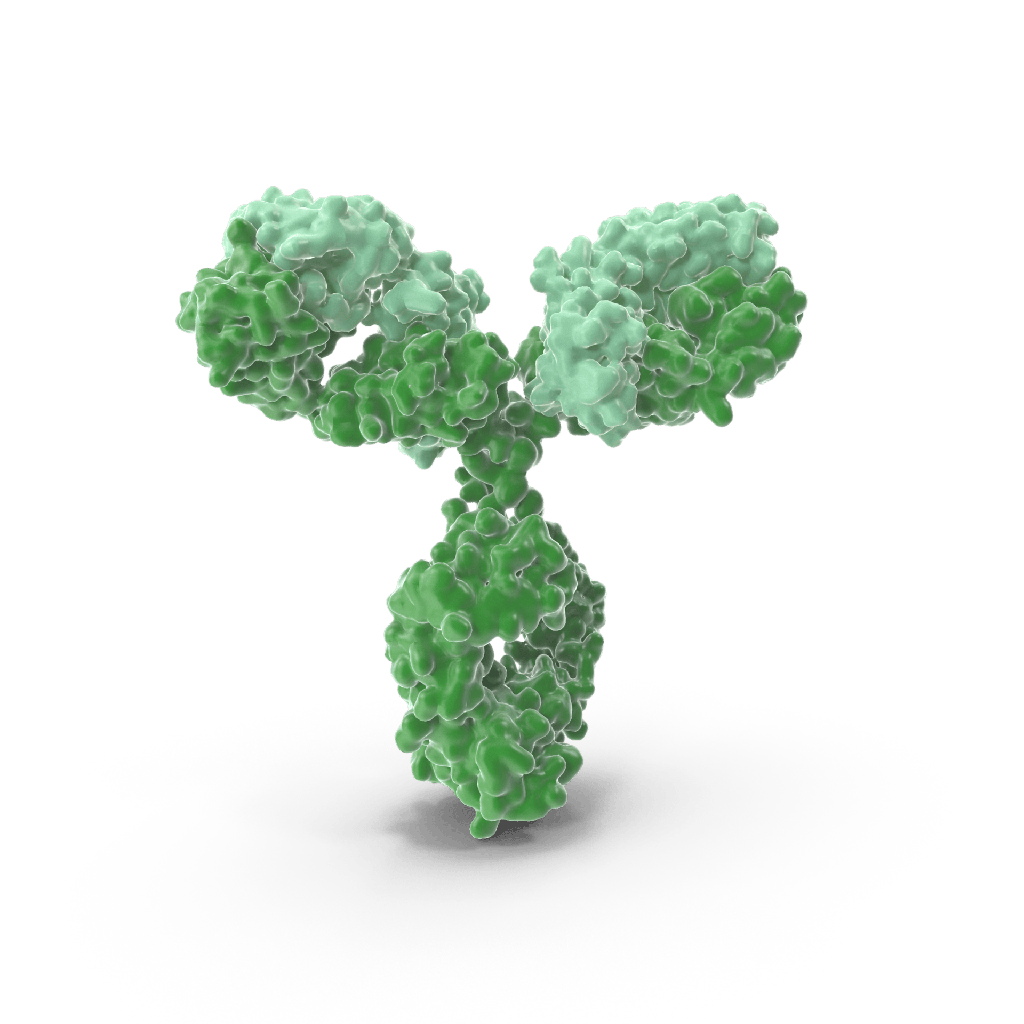
The world of glycoscience is tricky, encompassing the analyze of carbohydrates and their interactions with proteins. Navigating Carbohydrate-Protein Interaction Databases: Transforming Therapeutic Discovery and Innovation is fundamental for researchers aiming to unlock the knowledge of glycan-structured therapeutics. Understanding carbohydrate-protein interactions (CPI) can bring about groundbreaking advancements in healing suggestions, incredibly in designing monoclonal antibodies or glycoprotein therapeutics.
In this article, we shall explore diversified points of carbohydrate-protein interactions, emphasizing databases that facilitate research and innovation within this container. We will delve into glycosylation approaches, glycan profiling, and the results of those interactions in developing bioconjugates for therapeutic purposes.

Understanding Carbohydrate-Protein Interactions
What Are Carbohydrate-Protein Interactions?
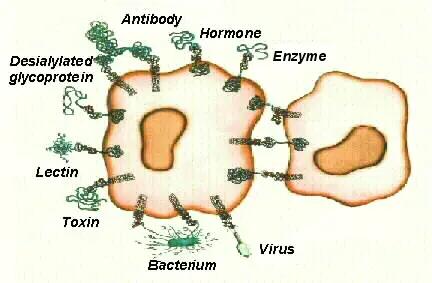
Carbohydrate-protein interactions are imperative biochemical methods related to the binding among carbohydrates (glycans) and proteins. These interactions play a pivotal position in a number organic services such as telephone signaling, immune reaction, and pathogen cognizance.
The Importance of Glycosylation
Glycosylation refers to the covalent attachment of glycans to proteins or lipids. This publish-translational modification (PTM) extensively affects protein shape, steadiness, and function. The range in glycan platforms leads to assorted functionalities which can be very important for protein activity.
Types of Glycosylation
Glycoproteomics: A Key Player in Research
What Is Glycoproteomics?
Glycoproteomics is a sub-discipline that makes a speciality of the look at of glycoproteins—proteins which have carbohydrates connected to them. By analyzing glycoproteins, researchers can discover insights into their services and roles in sickness mechanisms.
Tools Used in Glycoproteomic Studies
The Landscape of Carbohydrate-Protein Interaction Databases
Overview of Available Databases
Several databases exist specializing in documenting carbohydrate-protein interaction facts:
How To Navigate These Databases
To simply utilize carbohydrate-protein interplay databases:
Transforming Therapeutic Discovery by Database Utilization
Implications for Drug Development
The insights won from carbohydrate-protein interplay databases can translate into modern therapeutic innovations. For example, information how glycans have interaction with receptors can instruction the layout of distinctive healing procedures.
Case Studies on Successful Implementations
Carbohydrate Antigens and Their Role in Immunology
What Are Carbohydrate Antigens?
Carbohydrate antigens are molecules found out on telephone surfaces which can elicit an immune response when recognized via antibodies or lectins.
Applications in Vaccine Development
Glycobiology-stylish vaccines make the most of carbohydrate antigens to stimulate immunity in opposition t pathogens whilst minimizing hostile reactions associated with usual vaccine materials.
Bioconjugation Techniques for Therapeutic Applications
Defining Bioconjugation
Bioconjugation comes to chemically linking two biomolecules jointly—pretty much a drug and a carrier molecule like a glycoprotein—to toughen therapeutic efficacy.
Strategies for Effective Bioconjugation
Exploring Glycan Mapping Techniques
What Is Glycan Mapping?
Glycan mapping refers to figuring out and characterizing glycans existing on proteins or cells thru different analytical tactics along with mass spectrometry or chromatography approaches.
Importance in Disease Research
Understanding glycan systems can guide elucidate bizarre adjustments associated with diseases together with autoimmune issues or cancers.
Unpacking Glycoengineering Strategies
Definition of Glycoengineering
Glycoengineering is manipulating the glycosylation manner to adjust protein characteristics intentionally—editing pharmacokinetics or concentrating on specificity.
Applications in Developing Therapeutics
Assessing Glycosylation Profiles Using Advanced Techniques
Understanding Glycosylation Profiles
A entire diagnosis of glycosylation profiles presents insights into biological pathways influencing mobile functionality and health outcome.
Analytical Approaches
Harnessing Lectins for Research Purposes
What Are Lectins?
Lectins are carbohydrate-binding proteins with distinctive biological services—such as mediating cellphone-cellular interactions for the period of immune responses.
Applications in Research
Lectins are routinely applied as gear for mastering cellular tactics involving carbohydrates using affinity purification options or as diagnostic markers.
Advancements Through Glycome Profiling
Overview of Glycome Profiling
Glycome profiling includes characterizing all glycans provide inside of a given biological pattern—delivering comprehensive insights into cellular verbal exchange mechanisms motivated via carbohydrates.
The Role of Technology
Technological improvements equivalent to subsequent-new release sequencing have revolutionized our Discover more here advantage to operate specified analyses more efficaciously than ever sooner than.
FAQs approximately Carbohydrate-Protein Interactions
What is the importance of glycans in drug development?
Glycans play primary roles in protein steadiness, efficacy, and immunogenicity; thus figuring out them can power more advantageous drug design recommendations.
How do publish-translational modifications have an effect on protein goal?
PTMs like glycosylation can alter protein conformation optimum to transformations in process, localization, or interplay with different biomolecules—a key aspect influencing therapeutic result.
What technologies enhance glycomics research?
Mass spectrometry continues to be paramount together with advances in chromatography approaches allowing specified characterization wished for wonderful research functions.
Why are monoclonal antibodies critical?
They supply specificity closer to exceptional targets bettering medicine effectiveness when slicing off-objective outcomes characteristically associated with primary cures leveraging carbohydrates’ position therein improves common efficiency metrics particularly!
How does one analyze carbohydrate-protein interactions?
Utilizing databases combined with experimental techniques consisting of ELISA supplies perception into binding affinities which style foundational skills prime closer to comprehension surrounding these tricky relationships!
Are there any challenges dealing with researchers studying glycobiology?
Yes! Due complexity due diversifications exhibited throughout unique organisms coupled with constrained availability referring to reference materials steadily hampers progress necessitating continued funding towards standardized ways guaranteeing reproducibility amongst findings!
Conclusion
In abstract, navigating carbohydrate-protein interaction databases opens a great deal of avenues for healing discovery and innovation throughout the container of glycobiology—a immediately evolving field fundamental towards information biology at molecular levels impacting future health effects globally! By leveraging improved analytical resources alongside robust database tools accessible as of late researchers stand poised not simply make stronger current experience yet additionally catalyze transformative shifts shaping future panorama surrounding healthcare recommendations not directly getting better lives around the world!
